🎉 Back to School Bingo Challenge: A Fun Way to Connect with Classmates
Welcome back to the exciting world of learning! As the new school year begins, it's not just about textbooks and notebooks—it's also about building relationships and getting to know your classmates better. One engaging way to do this is through the Back to School Bingo Challenge. This activity encourages students to mix and mingle, discover common interests, and celebrate individuality in a fun and interactive setting.
What is the Back to School Bingo Challenge?
The Back to School Bingo Challenge is a social game designed for students returning to school. It involves creating a bingo card with various statements or categories that relate to personal experiences and interests. The goal is to find classmates who fit these descriptions and mark their names on the card. The more squares you fill, the more connections you make.
This challenge is often used at the start of the academic year to help students break the ice, foster camaraderie, and create a sense of community within the classroom. It’s an excellent way to promote communication skills, empathy, and teamwork among peers.
How Does the Game Work?
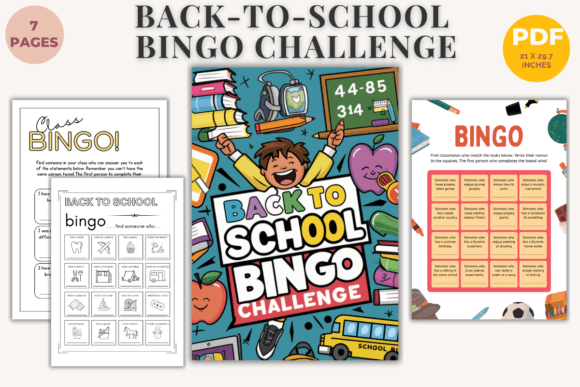
- Create a Bingo Card: Teachers or students can design a bingo card with 25 squares. Each square contains a statement such as “has a pet,” “has a sibling,” or “has a favorite subject.”
- Find Classmates: Students are encouraged to talk to as many classmates as possible and look for someone who fits one of the statements on the board.
- Mark Names: When a student finds someone who matches a statement, they write the classmate’s name in the corresponding square.
- Win the Game: The first person to complete their bingo card wins, but the real victory is in the connections made along the way.
Why Is This Activity Beneficial for Students?
The Back to School Bingo Challenge offers several educational and social benefits. Let’s explore some of them:
1. Encourages Social Interaction
One of the main purposes of the challenge is to encourage students to interact with each other. In a classroom setting, it’s easy for students to become shy or hesitant to approach others. This game provides a low-pressure environment where students can practice conversation skills and build confidence in social situations.
2. Promotes Communication Skills
As students search for classmates who match specific criteria, they must ask questions, listen actively, and engage in meaningful conversations. These interactions help improve verbal communication skills, which are essential for both academic and personal success.
3. Builds a Sense of Community
By learning about each other’s interests, hobbies, and backgrounds, students develop a deeper understanding of their peers. This fosters a supportive classroom environment where everyone feels valued and included.
4. Enhances Empathy and Understanding
Through the challenge, students gain insight into the lives of their classmates. They learn that everyone has unique experiences and perspectives, which helps build empathy and respect for diversity.
Practical Relevance in Modern Education
In today’s fast-paced and technology-driven world, face-to-face interaction is becoming less common. The Back to School Bingo Challenge serves as a reminder of the importance of human connection in education. It aligns with modern educational goals that emphasize collaboration, emotional intelligence, and interpersonal skills.
Additionally, this activity supports the development of soft skills such as communication, teamwork, and problem-solving—skills that are highly valued in both academic and professional settings.
Examples of Bingo Statements
To give you a better idea of how the game works, here are some examples of statements that could be included on a bingo card:
- Has a pet
- Has a sibling
- Has a favorite subject
- Plays an instrument
- Is an athlete
- Loves to read
- Has a part-time job
- Has traveled abroad
- Enjoys art
- Has a hobby like cooking or gardening
These statements allow students to explore different aspects of their classmates’ lives while encouraging open dialogue and curiosity.
Common Misconceptions About the Challenge
Some people may think that the Back to School Bingo Challenge is just a fun game with no real educational value. However, this activity is far more than entertainment—it’s a valuable tool for social and emotional learning. Here are a few common misconceptions:
- Misconception: It’s only for younger students. Reality: The challenge can be adapted for students of all ages, from elementary school to high school.
- Misconception: It’s time-consuming and not worth the effort. Reality: It’s a quick and effective way to build relationships and enhance communication skills.
- Misconception: It’s only for classroom use. Reality: The principles behind the challenge can be applied in group projects, team-building activities, and even corporate settings.
Creating Your Own Bingo Worksheets
If you’re looking to implement the Back to School Bingo Challenge in your classroom, you’ll need printable worksheets. These worksheets typically include:
- A bingo card with 25 squares
- A list of statements or categories
- Instructions for playing the game
- Optional: A template for creating custom bingo cards
Many teachers and educators have created 7 PDF pages including a cover and 6 bingo game worksheets to make it easier for students to participate. These resources are often available for free or at a low cost online, and they provide a structured and organized way to conduct the challenge.
Conclusion: Making Learning Fun and Meaningful
The Back to School Bingo Challenge is more than just a game—it’s an opportunity for students to connect, learn, and grow together. By encouraging social interaction, communication, and empathy, this activity supports both academic and personal development. Whether you're a teacher looking to create a welcoming classroom environment or a student eager to make new friends, the challenge offers a fun and meaningful way to start the school year.
So, grab your bingo card, step out of your comfort zone, and start mingling with your classmates. Who knows—you might just discover something surprising about your peers!